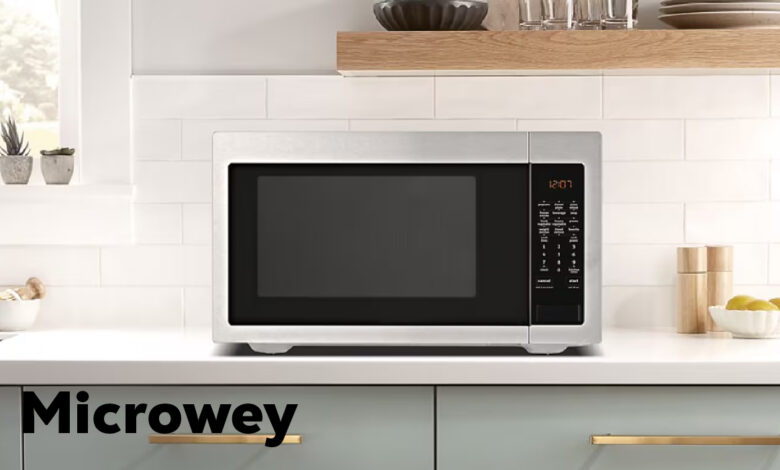
Microwey is rapidly becoming a trending keyword in smart kitchen searches, and for good reason. As homes evolve into connected, technology-driven spaces, kitchen appliances are expected to do more than just function; they must think, adapt, and save time. Microwey represents the next stage in microwave evolution, blending traditional electromagnetic heating with intelligent sensors, adaptive power control, and smart integration. Modern lifestyles demand speed, energy efficiency, and precision, and Microwey positions itself as a solution designed for exactly that.
Instead of simply reheating food on a timer, it promises intelligent heating that responds to moisture, temperature, and food density in real time. In this complete guide, you will discover the meaning of Microwey, how the technology works, its core features, benefits, comparisons with traditional appliances, real-life use cases, safety considerations, buying guidance, and future innovations that could reshape cooking in 2026 and beyond.
What Is Microwey?
Microwey is a next-generation smart microwave appliance that integrates advanced sensor-based heating, intelligent power modulation, and adaptive cooking algorithms to deliver faster, more precise, and energy-efficient cooking compared to traditional microwave ovens.
Is Microwey a Brand or a Concept?
Microwey can be understood as both a conceptual product and an emerging appliance category rather than a single fixed brand. In many discussions, it represents a future-focused framework for intelligent microwave cooking that goes beyond standard reheating. Because the keyword is relatively new, search confusion sometimes occurs, with users wondering whether it refers to a company, a product line, or a technology class. In practice, Microwey describes a modern microwave system built around digital precision, smart feedback loops, and energy optimization. It symbolizes the evolution of microwave ovens into adaptive, sensor-driven appliances designed for today’s connected kitchens.
Why People Are Searching for Microwey
Interest in Microwey is growing because consumers are increasingly looking for smart kitchen solutions that save time and electricity. The demand for energy-saving appliances is higher than ever due to rising utility costs and sustainability awareness. People also want faster cooking solutions without sacrificing texture or quality. Additionally, AI-powered home devices and smart home integration have made users curious about intelligent cooking systems that respond automatically rather than requiring manual adjustments. Microwey fits perfectly into this trend of automation, convenience, and precision.
The Origin and Evolution of Microwey Technology
Evolution of Microwave Ovens
To understand Microwey, it helps to revisit the evolution of microwave ovens. The discovery of microwave heating dates back to the 1940s when radar technology experiments revealed that electromagnetic waves could heat food. The magnetron became the core component responsible for generating microwaves at approximately 2.45 GHz. Over time, microwave ovens became smaller, safer, and more affordable, eventually becoming standard household appliances. However, early models relied heavily on simple timers and fixed power cycles, limiting cooking precision.
Why Traditional Microwaves Needed Improvement
Traditional microwaves often struggle with uneven heating due to wave distribution patterns inside the cooking chamber. Cold spots in the center and overheated edges are common complaints. Power control is typically based on cycling the magnetron on and off rather than delivering continuous adjustable output. There is also limited real-time feedback; the oven does not truly “know” what is happening inside the food. These limitations created space for innovation, paving the way for Microwey’s intelligent improvements.
How Microwey Represents the Next Stage
Microwey builds upon the proven science of microwave heating but enhances it through sensor-based cooking, adaptive heating adjustments, digital precision control, and improved energy optimization. Instead of relying on guesswork, it uses internal data to adjust power levels automatically. This marks a significant shift from mechanical reheating toward responsive cooking intelligence.
How Microwey Works – Technology Explained Simply
Microwave Heating Science
Microwey operates using electromagnetic waves at approximately 2.45 GHz, the standard frequency used in microwave cooking. These waves penetrate food and cause water molecules to vibrate rapidly. This molecular vibration generates internal heat, a process known as volumetric heating. Unlike conventional ovens that heat from the outside inward, Microwey generates heat inside the food itself, dramatically reducing cooking time.
Smart Sensor Integration
What differentiates Microwey is its integration of smart sensors. Temperature sensors monitor internal heat levels, while moisture detection systems evaluate humidity changes. Density analysis can help determine how thick or compact food portions are. Real-time monitoring allows the appliance to adjust energy output dynamically, ensuring consistent results and minimizing overheating.
Intelligent Power Modulation
Unlike traditional microwaves that alternate between full power and zero power, Microwey uses continuous inverter-style output. This allows for smoother energy delivery and dynamic adjustments based on sensor feedback. Reduced overheating means better texture preservation and improved nutrient retention.
Internal Wave Distribution Improvements
Microwey also improves cavity design to optimize wave reflection patterns. Enhanced internal geometry reduces cold spots and distributes energy more evenly. This structural refinement contributes significantly to consistent heating performance.
Core Features of Microwey
Rapid Heating Mode
Microwey’s rapid heating mode delivers ultra-fast reheating by directing energy precisely where needed. This feature saves time while preventing overcooking.
Smart Defrost Technology
Smart defrost technology uses low-power cycles controlled by sensors to prevent partial cooking. This ensures meat and frozen foods thaw evenly without compromising texture.
Automatic Cooking Programs
Built-in programs detect food weight and adjust time and power automatically. Preset meal options simplify cooking for beginners and experienced users alike.
Energy Optimization System
Microwey reduces standby power consumption and controls energy spikes. High conversion efficiency means more electricity is converted directly into useful heating energy.
App & Voice Control (Smart Models)
Advanced models allow remote operation, custom cooking profiles, and smart home compatibility. Integration with voice assistants enhances convenience.
Safety Lock & Shielding System
Door interlocks prevent operation when open, reinforced shielding contains radiation safely, and auto shut-off mechanisms enhance overall safety.
Microwey vs Traditional Microwave – Full Comparison
| Feature | Microwey | Traditional Microwave |
|---|---|---|
| Heating Control | Adaptive | Fixed cycles |
| Energy Efficiency | High | Moderate |
| Smart Sensors | Yes | Rare |
| Cooking Precision | Advanced | Basic |
| User Interface | Digital | Mechanical/Digital |
| Even Heating | Improved | Limited |
Heating Speed Comparison
Microwey’s adaptive modulation reduces total cooking time by maintaining consistent output rather than cycling power.
Energy Usage Differences
Energy efficiency is improved due to optimized conversion and reduced idle consumption.
Cooking Quality & Texture
Sensor-driven adjustments preserve moisture and reduce uneven cooking.
Long-Term Cost Analysis
Though initial costs may be higher, long-term savings on electricity can offset the investment.
Microwey vs Convection Oven
Microwey excels in speed and energy efficiency, while convection ovens are superior for baking and browning. Its complements traditional ovens rather than replacing them entirely.
Benefits of Using Microwey
Saves Time
Microwey dramatically reduces cooking time by generating heat internally. Busy individuals can prepare meals in minutes rather than waiting for preheating cycles. This efficiency enhances daily productivity without sacrificing food quality.
Reduces Electricity Bills
Optimized power delivery reduces energy waste. Because heating is targeted directly at food, less electricity is consumed compared to conventional ovens, lowering monthly utility costs.
Better Texture & Moisture Retention
Continuous power modulation prevents edges from drying out. Food remains moist and evenly heated, improving taste and texture significantly.
Easy for Beginners
Automatic programs eliminate guesswork. Even first-time users can cook confidently without adjusting complex settings.
Compact Design for Small Spaces
Microwey’s space-efficient design makes it suitable for apartments and dorm rooms while still offering multi-functional capabilities.
Safer Defrosting
Controlled low-power cycles reduce bacterial risk and prevent uneven thawing, making food preparation safer.
Who Should Buy Microwey?
Microwey is ideal for busy professionals who need quick meals, families managing daily routines, students in small living spaces, health-conscious individuals seeking nutrient retention, and smart home enthusiasts who value connected ecosystems.
Real-Life Use Cases of Microwey
Microwey supports quick breakfasts like oatmeal preparation, evenly reheats leftovers without dryness, safely defrosts meat without cooking edges, prepares office lunches efficiently, handles small meal cooking tasks, and steams vegetables while preserving nutrients.
Energy Efficiency & Sustainability
Microwey typically operate between 800 and 1200 watts, depending on the model, compared to convection ovens that may consume 2000–5000 watts. Direct heating reduces heat waste and environmental impact, aligning with sustainability goals.
Is Microwey Safe? Full Safety Breakdown
Yes, Microwey is safe when used correctly. It uses non-ionizing radiation similar to standard microwave ovens. Reinforced shielding, door interlocks, and automatic shut-off mechanisms prevent radiation leakage. Using microwave-safe containers ensures safe food preparation. Common myths suggesting microwave cooking makes food radioactive are scientifically false.
Design, Build Quality & Durability
Microwey appliances often feature stainless steel cavities for hygiene and durability. High-quality magnetrons or inverter generators ensure consistent performance. Modular design possibilities allow component replacement rather than full unit replacement. With proper maintenance, the lifespan can exceed 8–10 years.
Microwey Models and Variants
Basic models focus on essential functions. Smart models include app connectivity and adaptive programming. Premium high-power models offer enhanced capacity and advanced cooling systems. Commercial versions may serve office kitchens or small food businesses.
Pros and Cons of Microwey
Pros
-
Faster cooking time
-
Energy efficiency
-
Improved heating consistency
-
Smart automation
-
Compact design
Cons
-
Higher upfront cost
-
Learning curve for advanced features
-
Limited browning compared to ovens
Microwey Pricing Guide (Estimated)
Entry-level models may range from mid-market microwave pricing, smart models slightly higher, and premium versions at a higher tier due to advanced features. Long-term energy savings improve value.
How to Use Microwey Effectively
Best practices include using preset modes, selecting appropriate power levels, stirring dense foods midway, avoiding metal containers, and cleaning regularly to maintain performance.
Customer Reviews & Expert Opinions
Users appreciate speed, convenience, and consistent results. Some express concern about pricing and repair complexity. Experts highlight its alignment with modern inverter and sensor-based microwave advancements.
Future of Microwey – AI & Smart Kitchen Integration
Future Microwey systems may incorporate AI-driven cooking algorithms, integrate with smart refrigerators, connect seamlessly with IoT ecosystems, and offer predictive cooking adjustments based on usage patterns.
Final Verdict
Microwey stands as a powerful step forward in smart microwave technology. It combines speed, energy efficiency, intelligent heating, and digital integration into a single appliance designed for modern kitchens. Those who cook frequently, value convenience, and seek long-term savings will benefit most. While it does not fully replace traditional ovens, it complements them effectively. With continued innovation and AI integration, Microwey represents the future of rapid, intelligent, and sustainable cooking.
Frequently Asked Questions (FAQs)
1. What is Microwey?
Microwey is a next-generation smart microwave appliance that uses sensor-based technology and intelligent power control to cook, heat, and defrost food more evenly and efficiently than traditional microwave ovens. It adjusts heat automatically to improve cooking precision and reduce energy waste.
2. Is Microwey safe to use every day?
Yes, Microwey is safe for daily use when operated correctly. It uses non-ionizing electromagnetic waves, just like standard microwave ovens. Built-in safety features such as door locks, internal shielding, and automatic shut-off systems prevent radiation leakage and overheating.
3. Does Microwey use less electricity than a normal microwave?
Yes, Microwey is designed to be more energy efficient. It uses intelligent power modulation and smart sensors to deliver only the energy needed. This reduces electricity consumption compared to traditional microwaves that rely on fixed power cycles.
4. Can Microwey cook full meals or only reheat food?
Microwey can cook full meals, not just reheat leftovers. With automatic cooking programs, smart defrost technology, and adaptive heating, it can prepare vegetables, rice, proteins, ready-made meals, and small recipes more evenly than standard microwave ovens.
5. How is Microwey different from a traditional microwave oven?
Microwey differs from traditional microwaves because it uses real-time sensors and adaptive heating instead of simple timer-based power cycles. This allows more even cooking, better texture retention, improved energy efficiency, and smarter control compared to basic microwave models.