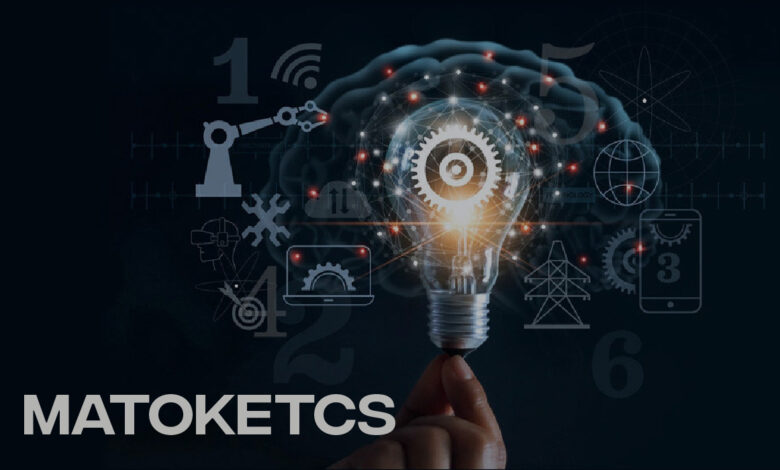
Introduction to Matoketcs
In today’s fast-moving digital world, organizations, developers, and digital strategists are constantly searching for ways to reduce complexity while improving clarity and performance. Matoketcs is an emerging digital concept that reflects this exact need. Based on how the term is interpreted across online discussions, tech-focused articles, and digital strategy platforms, Matoketcs describes a structured yet adaptive approach to connecting systems, ideas, workflows, and technologies into a unified framework. It is not a single product, software, or tool. Instead, Matoketcs represents a way of thinking about digital ecosystems—where data, processes, and human judgment work together rather than operating in isolation.
Matoketcs matters because modern digital environments are fragmented. Businesses use multiple dashboards, automation tools, analytics systems, and communication platforms. Without a clear structure, these tools create noise instead of insight. The concept of Matoketcs reflects the growing pressure to align data interpretation, decision-making, and operational clarity into one coherent model. From an SEO and Google ranking perspective, understanding Matoketcs requires relevance, original insight, and clarity—because search engines prioritize comprehensive, helpful, and high-intent content. This article provides exactly that: a detailed, structured, and human-centered explanation of Matoketcs for readers who want depth, not surface-level definitions.
What Matoketcs Really Means
At its simplest level, Matoketcs is a digital-era term that represents structured thinking, system integration, and adaptive frameworks rather than a fixed tool or platform. It describes the practice of connecting technologies, workflows, and strategic goals in a way that promotes coherence instead of fragmentation. Unlike traditional frameworks that often rely on rigid methodologies, Matoketcs emphasizes flexibility, responsiveness, and contextual intelligence. It encourages users to see digital systems as interconnected environments rather than isolated tools.
One reason Matoketcs is difficult to define precisely is that it is not officially recognized as a registered software, programming language, or standardized methodology. Instead, its meaning has evolved through online communities, tech thinkers, digital strategists, and innovation-focused writers. It is shaped by usage, interpretation, and practical application rather than formal documentation. This makes it dynamic and adaptable, but also harder to confine to a single definition. Across Google’s indexed content and digital discussions, recurring themes appear: integration, structure, adaptability, system thinking, and strategic clarity. These patterns suggest that Matoketcs is best understood as a conceptual framework that helps individuals and organizations organize complexity into coherent action.
The Origin and Evolution of the Matoketcs Concept
The concept of Matoketcs began to appear in the early 2020s as digital ecosystems became increasingly complex. As organizations adopted cloud computing, automation, artificial intelligence, and real-time analytics, traditional linear systems struggled to keep up. The need for modular, flexible, and integrated frameworks grew rapidly. Matoketcs emerged within this context as a response to digital overload and system fragmentation.
Culturally, Matoketcs reflects a shift in how digital language evolves. In modern tech culture, new terms often arise organically from communities rather than formal institutions. Just as concepts like “digital transformation” or “agile mindset” gained traction through widespread adoption, Mato ketcs developed through shared experimentation and discussion. Its roots are tied to system thinking, adaptive design, and strategic integration. In 2026, interest in Mato ketcs continues to grow because it offers flexibility, cross-industry relevance, and low competition in search engines. Its broad applicability across technology, strategy, content management, and innovation makes it a term that digital professionals are increasingly exploring.
Core Concepts and Interpretations of Matoketcs
At its core, Matoketcs is not a product—it is a conceptual framework built on interconnected thinking and system alignment. It promotes the idea that digital tools, data pipelines, workflows, and human decision-making should operate as parts of a unified ecosystem rather than as separate units. Instead of focusing on isolated optimization, Matoketcs emphasizes structural coherence and efficiency across entire systems.
Analysts and digital thinkers often describe Matoketcs as a modern response to digital fragmentation. Traditional approaches frequently treat data, operations, and strategy as separate layers. Mato ketcs, by contrast, prioritizes synthesis. It connects insight generation with action, analytics with execution, and planning with feedback loops. This is why the concept resonates strongly in today’s digital strategy discussions. Many rigid definitions fail to capture the complexity of modern systems, but Mato ketcs embraces flexibility. It fills a strategic gap by offering a mindset that adapts to context rather than enforcing fixed rules.
Mato ketcs in the Context of Digital Systems
In practical terms, Matoketcs applies to modern digital challenges by aligning tools, workflows, and data into coherent structures. Organizations today rely on multiple systems: CRM platforms, analytics dashboards, automation tools, project management software, and AI models. Without integration, these systems create duplication and inefficiency. Matoketcs encourages a unified architecture where data flows smoothly, and insights connect directly to operational decisions.
The concept closely aligns with systems thinking, which emphasizes relationships between components rather than isolated performance. Instead of optimizing each tool separately, Matoketcs asks how each component contributes to overall system health. Compared to traditional frameworks that isolate data or departments, Matoketcs seeks synthesis. It promotes collaborative intelligence, structured workflows, and adaptive feedback loops that improve long-term resilience.
Key Features and Components of Matoketcs
One of the most defining features of Matoketcs is integration and structure. It encourages digital systems to connect meaningfully rather than coexist passively. This reduces redundancy and enhances clarity. Flexibility and adaptability are equally central. Because Mato ketcs is conceptual rather than rigid, it can be applied in technology development, education systems, business strategy, content management, and innovation culture.
Context-driven execution is another major component. Matoketcs depends on human interpretation and strategic goals rather than predefined formulas. It recognizes that no two organizations face identical challenges. The role of data and insight is also critical. Rather than collecting vast amounts of data without direction, Mato ketcs emphasizes meaningful signals. It encourages filtering noise, focusing on actionable intelligence, and aligning insights with clear objectives.
Practical Applications of Mato ketcs
Even as a conceptual framework, Matoketcs has clear real-world applications. In digital strategy and planning, it helps organizations organize tools and workflows to improve decision clarity. Leaders can map relationships between data sources, operational tasks, and long-term objectives, ensuring alignment across teams.
In knowledge management and content strategy, Matoketcs supports logical content structuring. By connecting topics, keywords, and audience intent, it enhances usability and discoverability. This makes it highly relevant for SEO professionals aiming to rank on Google’s first page. In process optimization, Mato ketcs streamlines complex workflows by identifying inefficiencies and reducing duplication. It also holds branding value, as forward-thinking organizations can use the concept to represent structured innovation and adaptive leadership in a competitive digital landscape.
SEO and Digital Marketing Value of the Keyword “Matoketcs”
From an SEO perspective, “Matoketcs” is a powerful keyword opportunity because it has low competition and high specificity. When a keyword is emerging and not yet saturated, well-written, authoritative content has a strong chance of ranking quickly. Because Matoketcs is conceptual, content creators can shape its narrative with depth and clarity.
Related keyword opportunities include semantic variations such as “Matoketcs framework,” “Mato ketcs meaning,” “Mato ketcs concept,” “Mato ketcs digital strategy,” and “Mato ketcs system thinking.” Including these naturally within content enhances topical authority. Google favors comprehensive, structured, and user-focused content. By providing long-form, informative paragraphs with clear headings, this article aligns with high-ranking content standards.
Common Misconceptions About Mato ketcs
A common misconception is that Matoketcs must be a product or downloadable platform. In reality, it represents structured thinking rather than a tangible tool. Another misunderstanding is that it should already be universally defined. However, its evolving nature is part of its strength. Because it adapts to context, it remains relevant across industries. Flexible usage is not a weakness; it reflects adaptability in a rapidly changing digital world.
Matoketcs in 2026 and Future Trends
As digital ecosystems continue to grow, Matoketcs is likely to gain a clearer structure and broader application. Increased interest in system thinking, modular design, and adaptive frameworks reinforces its relevance. In 2026, organizations prioritize alignment rather than tool accumulation. Mato ketcs supports this shift by encouraging strategic coherence over software overload.
Future trends such as AI integration, automation intelligence, digital literacy, and knowledge modeling will further strengthen the need for structured conceptual frameworks. As businesses seek clarity in complexity, Matoketcs may become a reference point for integrated thinking and innovation maturity.
Conclusion
Matoketcs is more than a trending digital term. It represents a meaningful shift toward structured integration, adaptive strategy, and system-wide clarity in modern digital environments. By emphasizing interconnected thinking, contextual execution, and meaningful data interpretation, Mato ketcs addresses the fragmentation that many organizations face today. Its flexibility allows application across industries, from technology and marketing to education and operational management.
For readers seeking to understand emerging digital concepts and build future-ready systems, Matoketcs offers a valuable perspective. As digital transformation accelerates, those who embrace structured yet adaptive thinking will be better positioned to lead. Understanding Mato ketcs is not just about defining a term—it is about adopting a mindset that aligns tools, data, and strategy into sustainable, coherent growth.
(FAQs) Frequently Asked Questions
1. What are Matoketcs in simple words?
Matoketcs is a digital concept that focuses on organizing systems, data, and workflows in a structured and connected way. It is not a software or tool. Instead, it is a framework or mindset that helps businesses and digital professionals reduce complexity, improve clarity, and make better decisions. Matoketcs connects ideas, processes, and technologies so they work together instead of operating separately.
2. Is Matoketcs a software, app, or platform?
No, Matoketcs is not a software or application. It is a conceptual framework used to describe structured system thinking and digital integration. While it can be applied to software systems, cloud tools, analytics dashboards, or automation platforms, Matokets itself is not something you download. It is a strategic approach to managing digital environments efficiently.
3. Why is Matoketcs important in 2026?
Matoketcs is important in 2026 because digital systems are becoming more complex. Businesses now use multiple tools for data, automation, marketing, and operations. Without a structured framework, these tools can create confusion. Matoketcs helps align data, decision-making, and workflows into one clear system. This improves productivity, reduces wasted effort, and supports smarter growth in modern digital ecosystems.
4. Who can benefit from understanding Matoketcs?
Digital professionals, business owners, developers, marketers, and strategists can benefit from Matoketcs. Anyone working with multiple systems, data sources, or workflows can use this concept to improve organization and clarity. It is especially useful for startups, growing businesses, and innovation-focused teams that want structured yet flexible digital strategies.
5. How does Matoketcs improve decision-making?
Matoketcs improves decision-making by connecting data and actions in a structured way. Instead of looking at separate reports or isolated tools, it helps combine insights into one clear framework. This reduces confusion, highlights meaningful information, and allows leaders to make informed decisions based on connected systems rather than scattered data.