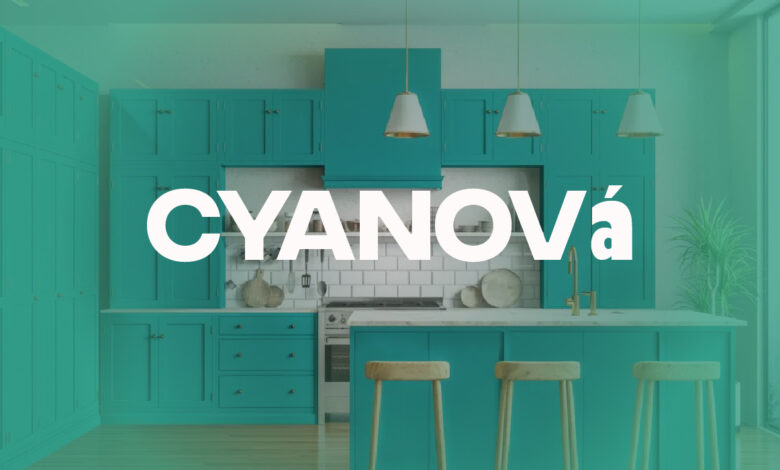
Introduction to Cyanová
Cyanová is a modern blue-green color concept that blends the traditional cyan hue with sustainability, technology, and contemporary design philosophy. It represents more than a visual tone—it reflects a shift in how industries think about color, responsibility, and innovation. As digital environments expand and eco-conscious values become central to branding and production, Cyanová has emerged as a symbol of clean aesthetics and intelligent design.
Cyanová functions both as a distinct color tone and as a broader design movement. Visually, it sits between blue and green, offering a refreshing yet calming presence. Conceptually, it represents the transition toward eco-friendly materials, digitally optimized displays, and emotionally intelligent branding. Designers, marketers, and product developers are searching for Cyanová because it captures what modern audiences want: clarity, sustainability, trust, and forward-thinking identity. Its growing visibility across branding, user interfaces, fashion collections, and product design explains why the term Cyanová is gaining search momentum and industry attention.
The Etymology and Linguistic Roots of Cyanová
Meaning of “Cyan”
The word “cyan” originates from the ancient Greek term kyanos, meaning dark blue. Over time, cyan became a recognized color category within both artistic and scientific communities. In the printing industry, cyan is one of the four primary inks used in the CMYK color model (Cyan, Magenta, Yellow, and Key/Black), forming the foundation of modern print reproduction. In color science, cyan represents the blue-green portion of the visible spectrum, bridging two emotionally powerful hues—blue, associated with calmness and trust, and green, associated with nature and growth.
Meaning of “-ová”
The suffix “-ová” appears in several Slavic languages, including Czech and Slovak, where it can indicate belonging, transformation, or relational identity. When added to “cyan,” the word Cyanová takes on a poetic and conceptual dimension. It suggests evolution rather than static identity—implying that Cyanová is not simply cyan, but an evolved expression of it. This linguistic nuance strengthens its positioning as a design philosophy rather than just a pigment label.
Why the Name Is Brandable
Cyanová is unique, memorable, and premium-sounding. The accent mark and vowel structure give it a global and modern feel, making it adaptable across creative industries. It sounds sophisticated and future-oriented, which is essential in branding environments where distinct naming can influence perception. Because it is uncommon yet intuitive, Cyanová has strong potential for brand recognition and conceptual ownership.
The Meaning and Symbolism of Cyanová
Psychological Meaning
Psychologically, Cyanová represents balance. Blue tones are known for calmness and reliability, while green tones represent renewal and growth. By sitting between these two, Cyanová communicates emotional openness, clarity of thought, and creative stimulation. It encourages focus without stress and inspires innovation without chaos. This makes it particularly powerful in environments requiring both calm concentration and imaginative thinking.
Design Symbolism
In design language, Cyanová symbolizes sustainability, digital intelligence, and clean innovation. It is often used to visually communicate eco-responsibility, transparency, and modern efficiency. The tone feels refined but not cold, vibrant but not overwhelming. It signals that a brand or product is technologically advanced while remaining ethically grounded.
Emotional Connection
Audiences feel relaxed when viewing Cyanová because it mirrors natural elements such as water, sky reflections, and tropical landscapes. Blue-green tones are frequently used in wellness, healthcare, and technology branding because they subconsciously communicate safety and trust. The association with freshness and purity further strengthens its emotional resonance.
Scientific Foundations — Cyanová in the Color Spectrum
Position in Visible Light
Cyanová exists within the visible light spectrum between approximately 490 nanometers (which corresponds to cyan) and 520 nanometers (which corresponds to green). This placement is scientifically important because it positions Cyanová at a visual midpoint between cool blue tones and refreshing green tones. Colors in this range are naturally present in water reflections, tropical oceans, clear skies near the horizon, and certain minerals, which explains why the human eye responds comfortably to them. Unlike extremely bright blues that can feel sharp or intense, or strong greens that may appear heavy, Cya nová maintains a balanced optical perception. It is neither too cold nor too warm, and this equilibrium contributes to its visual softness. Because our eyes evolved to process natural landscapes filled with blue and green tones, Cyanová feels familiar and soothing. Its wavelength range reduces strain and supports comfortable long-term viewing, which is one reason designers increasingly favor it in digital and physical environments.
RGB and Digital Color Model
In the RGB (Red, Green, Blue) model used for digital screens, cyan is created by combining green and blue light at high intensity while minimizing red. Cyanová builds on this formula but adjusts the balance slightly toward green while softening overall brightness. This subtle shift creates a more natural and less aggressive appearance on modern displays such as OLED, LED, and Retina screens. Because Cyanová is not overly saturated, it reduces glare and improves contrast when paired with light or dark backgrounds. This makes it ideal for user interfaces, dashboards, websites, and mobile apps where users may spend extended periods of time. Screen calibration technologies can also optimize Cyanová to maintain consistent tone across different devices, ensuring that the color appears uniform whether viewed on smartphones, tablets, or large monitors. In digital design, this reliability is crucial for maintaining brand consistency and visual comfort.
CMYK and Print Applications
In print production, the CMYK model (Cyan, Magenta, Yellow, Key/Black) uses cyan as one of its primary subtractive inks. Cyanová evolves from this traditional base but incorporates environmentally responsible pigment innovations. Modern Cyanová-based inks may include low-VOC solvents, biodegradable binders, and improved fade-resistant compounds. These advancements reduce environmental impact while preserving brightness and durability. In packaging and printed textiles, Cyanová maintains color stability even on recycled or eco-friendly substrates. Its balanced tone also translates well into large-format printing, fabric dyeing, and interior materials. By combining traditional print science with sustainable chemistry, Cyanová expands the role of cyan beyond technical reproduction and into conscious manufacturing.
Related Shades Comparison
Cyanová shares similarities with turquoise, teal, aquamarine, and mint, but each of these shades has distinct characteristics. Turquoise generally includes stronger green undertones and can appear more vibrant or tropical. Teal is deeper and darker, often associated with richness and moodiness. Aquamarine is lighter and closer to pastel blue-green, giving it a delicate appearance. Mint leans further into pale green territory and feels softer and more subtle. Cyanová remains centered between blue and green, maintaining vivid clarity without becoming too dark or too pastel. Its balanced tone gives it flexibility across industries, allowing it to function in both bold branding and soft wellness environments.
Origin of the Cyanová Concept — From Art to AI
Sustainable Pigment Development
Cyanová emerged alongside modern advances in sustainable pigment research. As industries began prioritizing eco-conscious production, laboratories developed non-toxic dyes, low-VOC (volatile organic compound) solvents, and biodegradable binders. These innovations allow color vibrancy without relying heavily on petroleum-based synthetic chemicals. Cyanová represents this evolution because it symbolizes cleaner production methods while maintaining high aesthetic quality. Sustainable pigment development ensures that textiles, packaging, and printed materials maintain brightness without harming ecosystems. This environmentally responsible approach aligns with growing global demand for green chemistry and ethical sourcing.
AI-Assisted Color Calibration
Artificial intelligence now plays a significant role in color consistency and accuracy. AI-assisted calibration tools analyze how colors appear under different lighting conditions and on different materials. For Cyanová, this means the hue can remain stable whether displayed on a digital screen, printed on recycled paper, or dyed into sustainable fabrics. AI systems also optimize contrast levels and spectral balance, ensuring that Cyanová maintains readability and emotional impact across devices. This precision enhances brand identity because colors remain consistent in marketing materials, apps, and physical products.
Bridging Art and Science
Cyanová represents the collaboration between artistic creativity and technological precision. Artists are drawn to its fluid, natural quality, while engineers refine its spectral accuracy and sustainability profile. This blend of art and science defines modern design, where emotional storytelling must coexist with technical excellence. Cya nová embodies this fusion by offering both expressive flexibility and measurable optical performance.
Cyanová in Color Psychology and Wellness
Cyanová is widely associated with stress reduction, clarity, and emotional balance. Blue-green tones are frequently used in therapy rooms, meditation spaces, and wellness applications because they calm the nervous system without dulling alertness. Cyanová encourages focus and mental organization while maintaining a gentle visual presence. Digital wellness apps help reduce overstimulation by avoiding overly bright or aggressive tones. In healthcare branding, it communicates cleanliness and trust. Because the human brain naturally associates blue-green shades with water and sky, Cyanová fosters a sense of safety and openness. This makes it a powerful tool in environments that prioritize emotional intelligence and mental well-being.
Cyanová in Digital and Brand Design
UI/UX and Interface Design
Cyanová performs exceptionally well in user interface and user experience design. It offers sufficient contrast for readability while remaining comfortable during extended screen use. Clean tech dashboards, meditation apps, fintech platforms, and dark-mode interfaces benefit from Cyanová’s balanced tone. It enhances clarity in buttons, icons, and background gradients while minimizing glare. Designers favor it because it combines functionality with aesthetic refinement.
Branding and Corporate Identity
Brands in clean energy, artificial intelligence, and eco-friendly industries use Cyanová to communicate innovation and responsibility. The tone feels modern and intelligent without appearing cold or distant. It strengthens trust and transparency while signaling forward-thinking values. In competitive markets, Cyanová differentiates brands from traditional corporate blues by introducing freshness and environmental awareness.
Gradients and Palette Strategy
Cyanová pairs effectively with white, gray, metallic silver, and coral accents. Modern gradient strategies often blend Cyanová into soft neutrals, creating smooth transitions that add depth and sophistication. These palettes maintain simplicity while avoiding monotony, making them suitable for websites, packaging, and advertising campaigns.
Cyanová in the Art World
Artists incorporate Cyanová into watercolor landscapes, digital illustrations, NFTs, and immersive installations. Its fluid quality evokes dreamlike scenes and natural reflections. Because it can appear both vivid and soft, Cyanová adapts to minimalistic compositions as well as expressive artworks. In immersive digital art, it enhances depth and atmosphere without overwhelming viewers.
Cyanová in Fashion and Textiles
In fashion, Cyanová appears in sustainable fabrics, eco-luxury collections, and athleisure designs. It complements a wide range of skin tones and reflects beautifully under natural lighting. Designers favor it for spring and summer collections due to its refreshing presence. The shade communicates environmental awareness while maintaining elegance.
Cyanová in Interior and Product Design
Interior designers use Cyanová in accent walls, upholstery, and smart lighting systems. It aligns with Scandinavian minimalism and wellness-centered spaces by creating calm yet modern environments. In product design, Cyanová enhances gadgets, reusable water bottles, and home technology aesthetics, reinforcing clean and futuristic identity.
Technological Applications of Cyanová
Display & Screen Technology
Cyanová supports OLED and LED calibration by maintaining accurate blue-green balance. It reduces eye strain and supports extended digital exposure, making it suitable for dashboards, wearables, and immersive displays.
Printing Innovations
Modern printing techniques use fade-resistant Cyanová inks compatible with recyclable packaging and sustainable substrates. These inks maintain vibrancy while reducing environmental harm.
Sustainability at the Heart of Cyanová
Green Chemistry & Pigment Creation
Bio-based dyes, reduced chemical waste, and environmentally friendly formulations define Cyanová’s sustainable approach. Compared to synthetic pigments, it offers a lower ecological impact and improved safety.
Circular and Clean Manufacturing
Cyanová supports zero-waste systems, carbon-neutral production methods, ethical sourcing, and recyclable materials. Its philosophy aligns with global sustainability goals, ensuring that beauty and responsibility can coexist in modern design.
Cyanová vs Traditional Cyan — Full Comparison
Understanding the Core Differences
| Feature | Cyanová | Traditional Cyan |
|---|---|---|
| Origin | Eco-tech evolution | CMYK primary pigment |
| Hue Profile | Softer, greener | Bright blue-heavy |
| Sustainability | Biodegradable | Standard synthetic |
| Application | Digital + Textile + Interior | Print-focused |
| Symbolism | Innovation & Ecology | Coolness & Clarity |
| Usage Domains | Fashion, Tech, Wellness | Publishing |
Cyanová differs from traditional cyan not only in visual tone but also in philosophy and application. Traditional cyan was developed primarily for print technology and remains a key component in the CMYK printing model. It serves a technical function, helping reproduce images accurately on paper and packaging. Cyanová, however, expands beyond printing into a broader design concept that integrates sustainability, digital performance, and emotional resonance. While traditional cyan often appears brighter and more blue-dominant, Cya nová introduces a slightly greener, softer undertone that feels more natural and balanced. Sustainability is another major distinction—Cyanová emphasizes biodegradable pigments and environmentally conscious production, while traditional cyan relies largely on synthetic materials. In short, traditional cyan is functional, whereas Cya nová is functional plus forward-thinking.
Why Cyanová Matters in the Future of Design
Aligning With Climate-Conscious Consumers
Modern consumers are increasingly aware of environmental impact. They prefer brands that reflect eco-responsibility and transparency. Cyanová visually communicates these values because its tone is strongly connected to water, nature, and freshness. Brands adopting Cya nová send a message of clean innovation and ethical production, which resonates with climate-conscious buyers.
Role in Web3, AR, and Immersive Technologies
The future of digital interaction includes immersive technologies such as Web3 platforms, augmented reality (AR), and virtual reality (VR). Cyanová performs well in immersive digital environments because it enhances clarity without overwhelming the viewer. Its balanced spectrum improves readability in virtual dashboards and digital overlays, making it suitable for futuristic interfaces and metaverse branding.
AI-Enhanced Personalization and Emotional Design
Artificial intelligence now personalizes user experiences across apps, websites, and smart devices. Cyanová fits into this future because it supports emotionally intelligent design—color systems that reduce stress and improve focus. As personalization grows, designers are choosing colors like Cya nová that feel human-centered and psychologically balanced.
How to Use Cyanová in Your Designs (Practical Guide)
Best Color Combinations
Cyanová works best when paired with complementary tones that highlight its clarity and softness. Combining Cyanová with light neutrals such as white, beige, or soft gray creates a calm and clean visual appearance. This pairing is ideal for wellness branding and minimalist websites. Metallic tones like silver or chrome enhance its futuristic appeal, making it suitable for tech branding and modern packaging. For stronger contrast, darker shades such as charcoal, deep navy, or forest green add depth and sophistication without overpowering the color.
Where to Apply It
Cyanová can be applied across many industries. In eco-campaigns, it reinforces sustainability and environmental care. In futuristic packaging, it communicates innovation and premium quality. Calm UI themes in apps and websites benefit from Cya nová’s balanced tone, which reduces eye strain during long use. Smart product interfaces, such as digital dashboards or wearable devices, also use Cya nová to maintain clarity and comfort.
Tools to Use
Designers should use accurate hex codes and color values to maintain consistency across platforms. Tools like Adobe Color help create complementary palettes around Cyanová. Accessibility contrast checkers ensure that text remains readable against Cya nová backgrounds. Gradient builders allow smooth transitions between Cya nová and other neutral shades, enhancing depth and visual interest.
Common Misconceptions About Cyanová
Not Just a Trendy Cyan
Some assume Cyanová is simply a renamed version of cyan. In reality, it represents a refined and evolved tone that incorporates sustainability and digital optimization. It is intentionally softer and more balanced than traditional cyan.
Not Replacing Cyan
Cyanová does not replace cyan in print systems or technical applications. Instead, it builds upon cyan’s foundation and expands its use into broader creative and sustainable contexts.
Not Limited to Technology
Although Cyanová is popular in digital design, it is also used in fashion, interior décor, and product aesthetics. Its versatility allows it to move across industries seamlessly.
Backed by Real Science
Cyanová is supported by pigment research, optical science, and sustainable chemistry. It is not purely conceptual—it has practical applications in material production and display calibration.
Real-World Examples of Cyanová in Use
Clean Tech Branding
Many clean energy startups adopt blue-green tones similar to Cya nová to communicate renewable innovation and environmental responsibility. The color helps establish trust and future-readiness.
Sustainable Skincare Packaging
Eco-friendly skincare brands often use Cya nová-inspired packaging to symbolize purity and water-based formulations. The tone reinforces freshness and non-toxic production.
Smart Home Interfaces
Digital dashboards in smart homes frequently use balanced blue-green shades for temperature controls and energy monitoring systems. Cya nová enhances clarity while reducing visual fatigue.
H3: Digital Art and Fashion
Digital art platforms and eco-fashion brands incorporate Cya nová in collections and designs to align with contemporary sustainability trends. Blue-green palettes consistently appear in annual design trend forecasts, confirming the rising influence of this tone.
Expert Insights & Industry Commentary
Perspective From Color Psychologists
Color psychologists highlight the strong emotional balance of blue-green tones. They note that colors like Cyanová promote calm thinking while maintaining mental stimulation, making them ideal for both productivity and relaxation.
Sustainability Experts on Pigment Innovation
Sustainability specialists emphasize that advances in biodegradable dyes and low-VOC solvents are transforming the color industry. Cyanová aligns with this innovation, representing cleaner pigment solutions.
UX Designers on Readability
User experience designers observe that Cya nová improves screen comfort and readability compared to brighter, harsher tones. It performs especially well in long-duration viewing environments.
Future Predictions
Industry analysts predict that eco-tech branding will increasingly rely on balanced blue-green palettes over the next five years. Cyanová is expected to become a dominant tone in sustainable product lines and digital-first companies.
Conclusion
Cyanová represents more than a visual tone—it reflects a design philosophy centered on sustainability, digital harmony, and emotional intelligence. It bridges traditional color science with modern environmental awareness, offering designers a tool that communicates clarity and responsibility simultaneously. As industries prioritize ethical production and immersive digital experiences, Cya nová stands as a symbol of thoughtful progress. By choosing Cya nová, brands and creators signal their commitment to innovation that respects both people and the planet, proving that color can shape perception, build trust, and define the future of design.
Frequently Asked Questions (FAQs)
1. What is Cyanová?
Cyanová is a modern blue-green color concept that combines traditional cyan with sustainability and digital design innovation. It represents both a color tone and a design philosophy focused on eco-friendly aesthetics and clean technology.
2. How is Cyanová different from traditional cyan?
Traditional cyan is mainly used in printing (CMYK model) and appears brighter and more blue-heavy. Cyanová is softer, slightly greener, and designed for digital screens, sustainable materials, and modern branding.
3. Where is Cyanová commonly used?
Cyanová is used in digital interfaces, eco-friendly branding, fashion collections, interior design, sustainable packaging, and technology products. It works well in industries focused on innovation and environmental responsibility.
4. What emotions does Cyanová create?
Cyanová creates feelings of calmness, clarity, freshness, and trust. Because it sits between blue and green, it helps reduce stress while encouraging focus and creativity.
5. Is Cyanová good for branding and design?
Yes, Cyanová is excellent for branding because it represents sustainability, innovation, and modern thinking. Many clean-tech and eco-friendly companies use similar blue-green tones to build trust and show environmental responsibility.