What Is Piragnia?
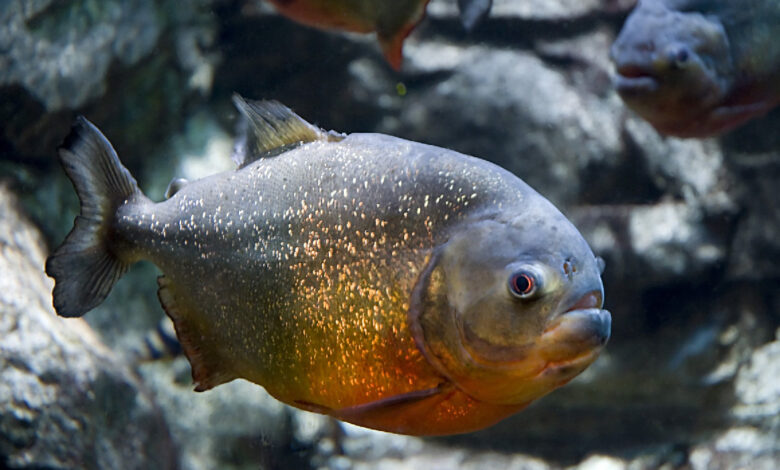
Piragnia is a term that appears in online searches and digital discussions, most commonly as a variation or misspelling of the word “piranha.” It is not an officially recognized scientific species but is generally linked to Amazon freshwater fish belonging to the piranha family. In some contexts, Piragnia also appears as a digitally emerging coined term shaped by online culture.
-
Is Piragnia a real fish species?
No, Piragnia is not a scientifically recognized species. It is usually a spelling variation or an informal reference to piranha. -
Is Piragnia the same as piranha?
In most cases, yes. Piragnia is commonly used as a variation of piranha in online searches and informal discussions. -
Where does the term Piragnia come from?
It likely comes from phonetic spelling differences, language shifts, and digital autocorrect distortions of the word piranha. -
Why is Piragnia trending?
Piragnia trends due to search engine curiosity, social media discussions, and confusion between scientific and informal naming.
Why the Word Piragnia Confuses So Many People
The word Piragnia creates confusion primarily because it closely resembles the well-known freshwater predator, the piranha. The difference in spelling is subtle, yet significant enough to spark curiosity and debate among internet users. Many people encounter the term through online searches, where autocorrect systems and algorithmic suggestions sometimes reinforce alternative spellings. In multilingual regions, pronunciation differences can easily transform “piranha” into “piragnia,” especially when words pass through Portuguese, Spanish, and English translations.
Social media platforms further amplify the confusion by repeating the variation without verification, and as more users click and search for Piragnia, search engines begin recognizing it as a trending keyword. This feedback loop gives the impression that Piragnia represents something separate, even though it typically refers to the same Amazon fish.
Etymology and Linguistic Origins of Piragnia
Indigenous Language Influence
The origins of the word piranha trace back to the Tupi language of Indigenous Amazonian communities, where “pira” means fish and “anha” means tooth. Over centuries, as Indigenous languages blended with Portuguese and Spanish during colonization, pronunciation shifts naturally occurred. In oral storytelling traditions, words often evolve slightly with each retelling, and this gradual phonetic shift can explain how Piragnia emerged as a variation in some communities and later online spaces.
Portuguese & Spanish Colonial Adaptation
When Portuguese explorers documented Amazon wildlife, they adapted Indigenous terms into written language based on their own phonetic systems. Spanish explorers did the same in neighboring territories. Differences in accent and spelling conventions meant that variations could develop over time. As the word traveled into English-speaking countries, additional phonetic interpretations appeared, creating room for informal spellings like Piragnia.
Phonetic Evolution into “Piragnia”
Language drift, word-of-mouth transmission, and informal writing practices all contribute to the evolution of spelling variations. In the digital era, a single misspelling can spread rapidly through blogs, social media posts, and video captions. When repeated frequently, that spelling begins to gain legitimacy in search engines, even if it does not exist in formal scientific literature. Piragnia is likely one such evolution shaped by phonetics and digital repetition.
Piragnia vs Piranha – The Complete Scientific Comparison
| Feature | Piragnia (Search Term) | Piranha (Scientific Term) |
|---|---|---|
| Scientific Classification | Not officially classified | Genus Pygocentrus / Family Serrasalmidae |
| Habitat | Amazon Basin (assumed) | Amazon & Orinoco Rivers |
| Recognition | Informal/cultural | Scientifically documented |
| Media Portrayal | Confused or misunderstood | Often sensationalized |
The table clearly shows that Piragnia does not represent a separate biological category but instead functions as an informal or search-based variation of the scientifically documented piranha.
Scientific Classification of Piranhas (Clarifying the Confusion)
Piranhas belong to the family Serrasalmidae, a group of freshwater fish native to South America. Within this family, the most recognized genera include Pygocentrus and Serrasalmus. Several species fall under these classifications, including the red-bellied piranha (Pygocentrus nattereri), the black piranha (Serrasalmus rhombeus), and the silver piranha. Each species has distinct behavioral and physical characteristics, but all share the sharp teeth and powerful jaw structure commonly associated with the name. It is important to state clearly that Piragnia is not a scientifically separate species and does not appear in taxonomic records.
Natural Habitat of Piragnia (Piranha) in the Amazon Basin
The natural habitat of Piragnia, commonly known scientifically as the piranha, is deeply connected to the freshwater ecosystems of South America. These fish are native to tropical river systems where warm temperatures, seasonal flooding, and dense vegetation create ideal living conditions. The Amazon Basin provides one of the richest and most complex freshwater environments in the world, and Piragnia thrives in this dynamic ecosystem because it offers abundant food, natural shelter, and suitable breeding areas. Understanding their habitat helps explain their behavior, diet, and ecological importance.
Amazon River System
The Amazon River system is the primary home of Piragnia. Stretching across Brazil, Peru, Colombia, Bolivia, Ecuador, and several other countries, the Amazon is the largest river system on Earth by volume. Its waters are warm throughout the year, typically ranging between 24°C and 30°C (75°F to 86°F), which supports tropical freshwater species like piranhas.
Piragnia prefers slow-moving sections of the river, including calm backwaters, side channels, and areas near riverbanks where aquatic plants grow thickly. The dense vegetation provides protection from larger predators such as caimans and river dolphins, while also serving as hunting grounds for smaller fish and insects. The muddy or slightly murky water of the Amazon also benefits Piragnia because their sensory systems are adapted to detect vibrations rather than relying solely on sight.
Orinoco Basin
In addition to the Amazon River system, Piragnia species are also found in the Orinoco River basin, which flows through Venezuela and Colombia. The Orinoco shares many environmental similarities with the Amazon, including warm freshwater temperatures, seasonal flooding cycles, and diverse aquatic life.
The Orinoco basin contains large floodplains and slow-moving tributaries that provide ideal breeding grounds. During the wet season, the river expands dramatically, connecting lakes and wetlands. This expansion creates temporary ecosystems filled with insects, small fish, and plant matter, offering rich feeding opportunities for Piragnia. The similarity between the Amazon and Orinoco ecosystems explains why piranhas can thrive in both river systems.
Floodplains & Seasonal Forests
One of the most important habitat features for Piragnia is the seasonal flooding of riverbanks. During the rainy season, which can last several months, rivers overflow into nearby floodplains and forests. These flooded forests become temporary aquatic environments full of nutrients, fruits, seeds, and small animals.
Piragnia migrate into these flooded areas because they provide both abundant food and safe breeding spaces. Juvenile piranhas benefit from shallow, plant-filled waters where they are protected from larger predators. Oxygen levels in these environments can vary, and piranhas have adapted to survive in waters with fluctuating oxygen content. Their ability to move between deep river channels and shallow flood zones allows them to adjust to seasonal environmental changes efficiently.
Physical Characteristics and Anatomy
The physical design of Piragnia plays a major role in its survival and feeding strategy. These fish have evolved over millions of years to thrive in river systems where competition for food and survival is constant. Their body structure, teeth formation, and sensory adaptations make them highly efficient freshwater predators and scavengers.
Size and Body Structure
Most Piragnia species range from 8 to 15 inches in length, although some individuals can grow larger depending on the species and environmental conditions. Their bodies are laterally compressed, meaning they are flattened from side to side. This body shape allows them to move quickly through water and navigate dense aquatic plants with ease.
Their muscular build supports short bursts of speed, which is useful when escaping predators or capturing prey. The streamlined body structure also reduces resistance in water, helping them conserve energy while swimming in river currents.
Teeth and Jaw Mechanics
One of the most well-known features of Piragnia is its sharp, serrated teeth. These triangular teeth interlock tightly, forming an extremely efficient cutting surface. Unlike many fish species, piranhas have a single row of sharp teeth in both the upper and lower jaws, and these teeth fit together perfectly when the mouth closes.
Their bite force is strong compared to their body size. Scientific studies have shown that certain species, such as the black piranha, can generate impressive bite pressure relative to their size. This strength allows them to tear flesh, crush bones, and process tough food sources. However, this powerful bite is mainly used for feeding and defense rather than random attacks.
Sensory Adaptations
Piragnia rely heavily on their lateral line system, which is a specialized sensory organ running along the sides of their bodies. This system detects vibrations and movement in the water. Because many Amazon waters are murky and visibility is limited, this adaptation is essential for survival.
They can sense struggling prey, nearby predators, and even subtle water disturbances. Their sense of smell is also highly developed, allowing them to detect food from a distance. These combined sensory systems make Piragnia highly efficient in environments where vision alone is not reliable.
Behavior and Feeding Patterns
The behavior of Piragnia is often misunderstood due to exaggerated media portrayals. In reality, their feeding habits and social structure are complex and vary by species, environment, and season. They are not mindless predators but adaptive fish that respond to environmental conditions.
Are They Carnivores?
While many people believe Piragnia are strictly carnivorous, their diet actually varies depending on species. Some species are primarily carnivorous, feeding on small fish, insects, and crustaceans. Others are omnivorous, meaning they eat both animal and plant material.
Fruits and seeds that fall into rivers during flood seasons can become part of their diet. This mixed feeding behavior shows that Piragnia are adaptable and opportunistic rather than exclusively meat-eaters.
Opportunistic Feeding
Piragnia are opportunistic feeders, meaning they consume what is most easily available. They may hunt smaller fish, scavenge dead animals, or feed on insects. Scavenging plays an important ecological role because it helps prevent the accumulation of decaying organic matter in rivers.
This behavior makes them important contributors to nutrient recycling within the Amazon ecosystem. By consuming carcasses, they help maintain water cleanliness and balance.
Schooling Behavior
Piragnia often swim in schools, but not necessarily for organized hunting as commonly believed. Schooling primarily serves as a defensive strategy against larger predators such as river dolphins, birds, or caimans. Being in a group reduces the chance that any one individual will be targeted.
Schooling can also increase feeding efficiency, but it is more about safety than coordinated attacks.
Seasonal Aggression
Aggression levels in Piragnia increase during breeding seasons and low-water periods. When water levels drop, fish populations become concentrated in smaller areas, increasing competition for food. This can lead to more aggressive behavior.
During breeding season, piranhas may defend nesting areas more actively. However, this behavior is defensive and protective rather than predatory toward humans.
Are Piragnia Dangerous to Humans?
The idea that Piragnia are extremely dangerous to humans largely comes from movies and sensational media stories. In reality, documented attacks on humans are rare and usually minor. Most incidents occur during low-water conditions when fish are crowded, and food is limited.
Scientific research shows that Piragnia generally avoid large animals, including humans. When bites occur, they are often defensive reactions rather than intentional attacks. Activities like splashing, fishing with bait, or entering water where fish are feeding can increase risk.
It is important to understand that Piragnia are not aggressive hunters targeting humans. They are adaptive freshwater fish responding to environmental conditions. Most people can safely swim in rivers inhabited by piranhas without incident. The fear surrounding them is largely exaggerated compared to their actual behavior in the wild.
Myths and Pop Culture Influence
The global image of Piragnia, commonly linked to piranhas, has been heavily shaped by movies, television, and sensational media stories rather than scientific reality. Horror films have portrayed piranhas as relentless, bloodthirsty predators capable of stripping large animals or humans to the bone within seconds. These dramatic scenes create fear and excitement, but they rarely reflect how these fish behave in natural environments. Media exaggeration has influenced public perception so strongly that many people believe Piragnia are constant threats to anyone entering Amazon waters. In truth, scientific research shows that piranhas are cautious fish that usually avoid large animals. Viral internet stories and clickbait articles often repeat outdated or exaggerated claims without scientific evidence, reinforcing myths instead of explaining ecological facts. This cycle of fear-based storytelling has contributed to misunderstanding, overshadowing the real biological and environmental importance of these fish.
Horror Films
Horror movies released over several decades have played a major role in shaping the image of piranhas. In many films, schools of piranhas are shown attacking boats, swimmers, and even entire communities. These fictional portrayals focus on dramatic danger rather than ecological accuracy. The visual impact of swarming fish with sharp teeth makes for exciting cinema, but it distorts public understanding. While piranhas do possess sharp teeth and strong jaws, they do not behave as organized human-hunting predators. The entertainment industry often prioritizes shock value over scientific truth, leading audiences to associate Piragnia with extreme aggression.
Media Sensationalism
Beyond movies, news reports and documentaries sometimes exaggerate isolated incidents involving piranhas. A rare bite incident may be presented as evidence of widespread danger, even though such events are uncommon and usually triggered by unusual conditions such as drought or overcrowding. Sensational headlines attract attention but fail to explain that environmental stress, not natural hostility, is usually the cause of increased aggression. Balanced ecological explanations rarely receive the same media coverage as dramatic stories.
Viral Internet Stories
In the digital age, social media spreads information quickly, whether accurate or not. Viral posts and short videos may present edited clips of feeding frenzies without explaining the context, such as bait being intentionally introduced into the water. These clips create fear and confusion. Once shared repeatedly, exaggerated claims become accepted as truth. The repetition of misinformation has contributed to Piragnia becoming a mysterious and misunderstood keyword online.
Cultural and Indigenous Significance
While global pop culture has often portrayed Piragnia negatively, Indigenous communities in the Amazon view these fish very differently. In many Amazonian cultures, piranhas are not symbols of fear but are respected as important parts of the natural world. Their presence in stories, rituals, and ecological practices reflects a deep understanding of river ecosystems developed over generations.
Amazonian Folklore
In traditional Amazonian folklore, piranhas appear in stories that teach lessons about balance, respect, and survival. Rather than being depicted as monsters, they symbolize strength, alertness, and adaptation. These stories often highlight the importance of respecting nature and understanding the rhythms of river life. Folklore serves not only as entertainment but also as a form of ecological education passed down through oral tradition.
River Guardian Symbolism
Some Indigenous groups view piranhas as guardians of the river. This symbolism reflects the understanding that these fish help maintain ecological balance by removing dead animals and regulating prey populations. Seeing Piragnia as guardians reinforces the idea that every species has a purpose within the ecosystem. This perspective encourages sustainable interaction with nature rather than fear-based reactions.
Spiritual Beliefs
Traditional spiritual beliefs often include taboos related to fishing seasons and breeding cycles. For example, some communities restrict fishing during spawning periods to protect fish populations. These taboos demonstrate practical ecological wisdom embedded in cultural storytelling. By respecting breeding seasons and natural cycles, communities ensure the long-term sustainability of river resources.
Ecological Role in the Amazon Ecosystem
Piragnia play a crucial ecological role within Amazon river systems. As opportunistic feeders and scavengers, they contribute to nutrient recycling by consuming carcasses and organic waste. This prevents the buildup of decaying matter that could otherwise lower water quality and reduce oxygen levels. Their feeding behavior helps maintain cleaner water conditions and supports overall ecosystem health.
In addition to scavenging, piranhas regulate populations of smaller fish and invertebrates. This population control prevents overgrowth of certain species, which could disrupt ecological balance. By serving both as predators and prey, they occupy an important position in the food chain. Larger animals such as river dolphins, birds, and caimans feed on them, making them essential links in the ecosystem. Removing Piragnia from their environment would likely cause imbalance, potentially leading to uncontrolled prey populations and ecological instability.
Conservation Status and Environmental Threats
Although piranhas are not currently classified as endangered, they face environmental threats that could impact long-term population stability. Human activities in the Amazon Basin directly affect freshwater habitats and the species that depend on them.
Deforestation
Deforestation for agriculture and urban expansion alters river systems by increasing sediment runoff and raising water temperatures. When forests are removed, riverbanks lose natural protection, leading to habitat destruction. Changes in water flow and temperature can disrupt breeding cycles and reduce suitable living areas for Piragnia.
Mining Pollution
Mining operations introduce toxic substances such as mercury into rivers. These pollutants accumulate in fish tissues and can affect health, reproduction, and survival rates. Pollution not only harms piranhas but also affects entire aquatic food webs, including species consumed by local communities.
Climate Change
Rising global temperatures influence freshwater ecosystems by reducing dissolved oxygen levels in water. Warmer water holds less oxygen, which stresses fish populations. Altered rainfall patterns may also disrupt seasonal flooding cycles that are essential for breeding and feeding.
Overfishing
In some regions, unsustainable fishing practices reduce fish numbers faster than they can recover. Although piranhas reproduce relatively quickly, excessive harvesting can weaken population stability. Sustainable fishery management, habitat preservation, and environmental regulations are essential for protecting these fish and their ecosystems.
Why Piragnia Became a Trending Search Term in 2026
The rise of Piragnia as a trending search term in 2026 is largely driven by digital behavior rather than biological discovery. Search engines amplify unusual keywords when many users search for them within a short period. Autocorrect systems and phonetic variations can introduce alternative spellings, which then spread through social media and online articles. As curiosity grows, more users search for clarification, further boosting visibility. AI-generated content that repeats the variation also contributes to its recognition as a trending keyword. This algorithm-driven cycle shows how digital platforms can transform minor spelling differences into popular search trends.
Piragnia in Modern Digital Culture
In modern digital culture, Piragnia has been adopted in various creative ways. Some users choose it as a unique username or brand identity because it sounds distinctive while still being familiar. Memes and humorous posts referencing the fish’s exaggerated reputation have also contributed to its online presence. In certain online communities, alternative spellings like Piragnia are intentionally tested to observe how search engines and algorithms respond. This experimentation reflects growing awareness of how digital systems process and rank keywords.
Future of Piragnia Research and Amazon Fish Studies
The future of Piragnia research is closely tied to advancements in environmental science and technology. AI-driven habitat mapping allows scientists to monitor river conditions and identify critical breeding areas without disturbing wildlife. Genetic analysis helps researchers understand population diversity and evolutionary history, improving conservation planning. Biodiversity tracking systems provide real-time data on ecosystem health, allowing early detection of environmental threats.
River preservation policies aimed at reducing pollution, controlling deforestation, and promoting sustainable fishing are essential for protecting freshwater ecosystems. As awareness grows about the importance of biodiversity, scientific collaboration and international conservation efforts are becoming stronger. Protecting Piragnia habitats not only safeguards one species but also supports the health of the entire Amazon River system.
By examining myths, cultural meaning, ecological roles, and modern research, it becomes clear that Piragnia is far more than a misunderstood fish. It represents the intersection of language, culture, science, and digital evolution, making it both an ecological and informational phenomenon worthy of careful understanding.
Myths vs Reality – Final Clarification
✔ Not a scientifically separate fish
✔ Likely variation of piranha
✔ Not mindless killers
✔ Important ecological species
✔ Culturally significant
Final Conclusion
Piragnia represents a fascinating intersection of language, science, and digital culture. While not recognized as a distinct species, the term reflects how phonetic variation and online trends shape modern search behavior. Behind the spelling confusion lies the scientifically documented piranha, an important Amazon freshwater fish that plays a vital ecological role. Understanding the truth behind Piragnia allows readers to move beyond myths, appreciate ecological complexity, and engage responsibly with emerging digital terminology.
Frequently Asked Questions (FAQs)
1. What does Piragnia mean?
Piragnia is a term commonly used online as a variation or misspelling of “piranha.” It is not an officially recognized scientific species. Most of the time, Piragnia refers to the freshwater fish known as piranha that lives in the Amazon River and other South American rivers.
2. Is Piragnia a real fish species?
No, Piragnia is not a separate scientific fish species. The correct biological term is “piranha.” Piragnia usually appears due to spelling differences, pronunciation changes, or online search variations.
3. Is Piragnia dangerous to humans?
Piragnia (piranha) is not usually dangerous to humans. Attacks are rare and typically happen during low water levels or when the fish feel threatened. In normal conditions, piranhas avoid large animals and prefer small fish, insects, and plant matter.
4. Why is Piragnia trending online?
Piragnia is trending because of search engine autocorrect issues, social media discussions, and curiosity about the word. As more people search for Piragnia, search engines begin showing it more often, which increases its visibility and popularity.
5. Where are Piragnia (piranhas) found?
Piragnia, commonly referring to piranhas, are found in the Amazon River and Orinoco River basins in South America. They live in warm, slow-moving freshwater rivers, lakes, and floodplain areas with plenty of vegetation.